Introduction: The Enduring Allure of Aurum (Au)
For millennia, gold has captivated humanity. More than just a precious metal, it is a universal symbol of wealth, power, and permanence. From the tombs of ancient pharaohs to the vaults of modern central banks, its luster remains undiminished. The global quest to unearth this shimmering element—a process known as gold mining—is one of the world’s oldest and most intensive industrial activities.
Gold mining is a complex, capital-intensive, and often controversial industry that drives vast global trade, dictates geopolitical movements, and affects millions of lives, both directly and indirectly. It is a process fraught with engineering challenges, immense financial risk, and significant environmental and social responsibilities. The modern industry must constantly navigate the tightrope walk between fulfilling the ever-growing demand for the metal—used in jewelry, technology, and investment—and adhering to increasingly stringent sustainable gold mining practices.
This comprehensive article will provide an in-depth exploration of the entire gold mining value chain, from the geological formation of gold deposits to the latest advancements in gold extraction technology and the critical future challenges facing the sector. We will delve into the types of gold mining, analyze the economic importance of gold, and critically examine the environmental impact of gold mining practices globally.
A Historical Perspective: The Gold Rushes
The history of gold mining is a tapestry woven with episodes of frenetic discovery and migration, famously known as “Gold Rushes.” Events like the California Gold Rush (1848–1855) and the Klondike Gold Rush (1896–1899) reshaped demographics, built cities, and injected enormous capital into fledgling economies. These rushes were primarily driven by the discovery of easily accessible alluvial gold—gold found in riverbeds and placers. While the days of easily panned gold are largely over, this historical context underscores the metal’s unique power to drive human ambition and migration. Today, the industry relies on sophisticated geological science and heavy machinery to pursue elusive hard rock gold deposits deep beneath the Earth’s surface.
Why Gold Matters Today: Economic Importance and Uses
The economic importance of gold is multifaceted and enduring. It serves three primary functions:
- Investment and Reserve: Gold is the ultimate safe-haven asset. It acts as a hedge against inflation, currency devaluation, and geopolitical instability. Central banks hold massive reserves, and private investors use it through physical bullion, ETFs, and futures contracts.
- Jewelry: This remains the largest consumer of mined gold. Its malleability, resistance to corrosion, and aesthetic appeal make it the premier choice for personal adornment.
- Technology and Industry: Gold’s excellent electrical conductivity and resistance to tarnishing make it indispensable in modern electronics, including smartphones, computers, and sophisticated medical equipment. The transition to a high-tech world only increases this demand.
Understanding these uses provides the foundational context for the immense global effort expended in gold extraction and mining. The challenge now lies in meeting this demand responsibly and sustainably.
I. Geological Fundamentals: Where Gold is Found (Gold Deposits)
The journey of gold mining begins deep within the Earth’s crust. Understanding the geology of gold deposits is crucial for successful exploration and resource estimation.
A. The Formation of Gold Deposits
- Hydrothermal Veins: The most common source. Gold is dissolved in hot, mineral-rich water (hydrothermal fluids) that circulate deep underground. As these fluids rise and cool, the gold precipitates out, often alongside quartz and other sulfides, forming veins within rock fractures.
- Porphyry Deposits: Large, low-grade deposits associated with magmatic-hydrothermal systems. These require high-volume, low-cost mining operations.
- Placer Deposits (Alluvial Gold): Formed by the weathering of primary deposits. Gold, being dense, is washed away by rivers and streams and concentrates in riverbeds, deltas, and floodplains.
B. Global Gold Reserves and Production Hubs
- Leading Producers: Detailed analysis of the top gold-producing countries (e.g., China, Australia, Russia, Canada, the U.S.).
- Major Reserve Locations: Discussion of countries with the largest known underground gold reserves (e.g., Australia, Russia, South Africa).
II. The Science of Gold Extraction: Types of Gold Mining
The methods employed in gold extraction depend entirely on the type, size, and location of the gold deposit.
A. Non-Mechanized and Small-Scale Mining (Artisanal and Small-Scale Gold Mining – ASGM)
- Placer Mining/Panning: Simple, often manual separation of alluvial gold from sediment using water. Historically significant, but now typically limited to small-scale or artisanal gold mining.
- Sluicing and Dredging: More mechanized methods for processing alluvial gold in river environments.
B. Industrial-Scale Hard Rock Mining
This is the dominant form of modern gold mining, focusing on primary rock deposits.
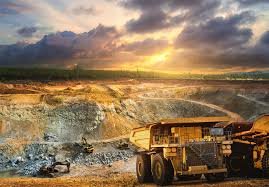
- Open Pit Mining:
- Used for deposits that are relatively near the surface but spread over a wide area.
- Involves excavating a large pit in successive benches. High volume, lower cost per ton.
- Underground Mining:
- Used when the deposit is too deep for open-pit methods.
- Requires the construction of vertical shafts and horizontal tunnels (drifts). More selective but higher operating cost and complexity.
III. Processing and Metallurgy: From Ore to Bullion
Once mined, the raw ore must be processed to separate the microscopic gold particles from the rock. This is the gold extraction phase.
A. Crushing and Grinding
- The ore is first reduced in size using crushers and ball mills to liberate the gold particles.
B. Chemical Extraction Methods
- Cyanidation (Cyanide Leaching):
- The industry standard. Finely ground ore is mixed with a weak cyanide solution, which selectively dissolves the gold.
- Detailed explanation of the carbon-in-pulp (CIP) and carbon-in-leach (CIL) processes.
- Critical Note: Discussion of the safe management of cyanide, a key environmental impact of gold mining concern.
- Gravity Concentration: Using differences in density to separate coarser gold (e.g., using jigs or shaking tables).
- Flotation: A process used to separate sulfide minerals containing gold from the gangue (waste rock).
C. Refining and Bullion Production
- The final stage where the gold-containing solution is purified, smelted, and poured into doré bars (unrefined gold bullion).
IV. The Critical Challenges: Environment, Ethics, and Sustainability
The modern gold mining industry is under immense scrutiny regarding its environmental impact and ethical practices. This section is vital for an SEO-friendly article focusing on modern responsibility.
A. Environmental Impact of Gold Mining
- Water Use and Contamination: Massive volumes of water are needed. Risk of acid mine drainage (AMD) and contamination from tailings dams.
- Land Degradation and Habitat Loss: Large footprint from open-pit mines and waste disposal (tailings). Requirement for thorough reclamation.
- Chemical Use: Focus on cyanide management and disposal. The push for alternative, less toxic reagents.
B. Social and Ethical Concerns
- Artisanal and Small-Scale Gold Mining (ASGM): The use of mercury in ASGM and its devastating health consequences (Minamata Convention).
- Conflict Gold: The ethical sourcing of gold and its role in funding armed conflicts in certain regions.
- Community Relations: Land rights, displacement, and the need for Free, Prior, and Informed Consent (FPIC) from indigenous communities.
C. Sustainable Gold Mining and Future Trends
- Technological Innovations: Dry-stack tailings, water recycling, and sensor-based ore sorting.
- Responsible Sourcing Initiatives: The World Gold Council’s Responsible Gold Mining Principles (RGMPs) and other certifications aimed at promoting sustainable gold mining.
- Circular Economy: Urban mining (recovering gold from electronic waste).
V. Economic Analysis and Future Outlook
A look at the market dynamics that drive the gold mining industry.
A. Market Forces and Gold Price Dynamics
- The relationship between the U.S. dollar, interest rates, inflation, and the price of gold.
- The role of gold in times of economic crisis.
B. Investment in Gold Mining
- The structure of the industry: major producers (majors), mid-tiers, and exploration companies (juniors).
- Risks and rewards of investing in gold stocks versus physical gold.
C. The Future of Gold Mining
- Diminishing Discoveries: The challenge of finding high-grade, easily accessible gold deposits. The move toward lower-grade, deeper resources.
- Deep-Sea and Space Mining: Speculative future sources for precious metals.
- The Mandate for ESG: Environmental, Social, and Governance (ESG) factors becoming paramount for investment and operational licensing.
Conclusion: Gold’s Unfinished Story
The quest for gold is a narrative that spans human history, engineering prowess, and complex global economics. From simple panning for alluvial gold to massive, highly-automated hard rock mining operations, the industry is a testament to human ingenuity. However, the future success of gold mining hinges not just on geological discovery or market prices, but on the industry’s ability to transition fully to sustainable gold mining practices. By embracing environmental stewardship, prioritizing community well-being, and investing in responsible gold extraction technology, the sector can ensure that the enduring allure of Aurum continues to enrich the world responsibly.




Tinggalkan Balasan